Brands Are Selling Your Childhood Not Products
Nostalgia has become the default creative strategy of 2026, not the seasonal campaign trick it used to be. It is not a mood board, it is a withdrawal from an account the brand already built, and the brands drawing it down fastest will have nothing left to reference within five years.
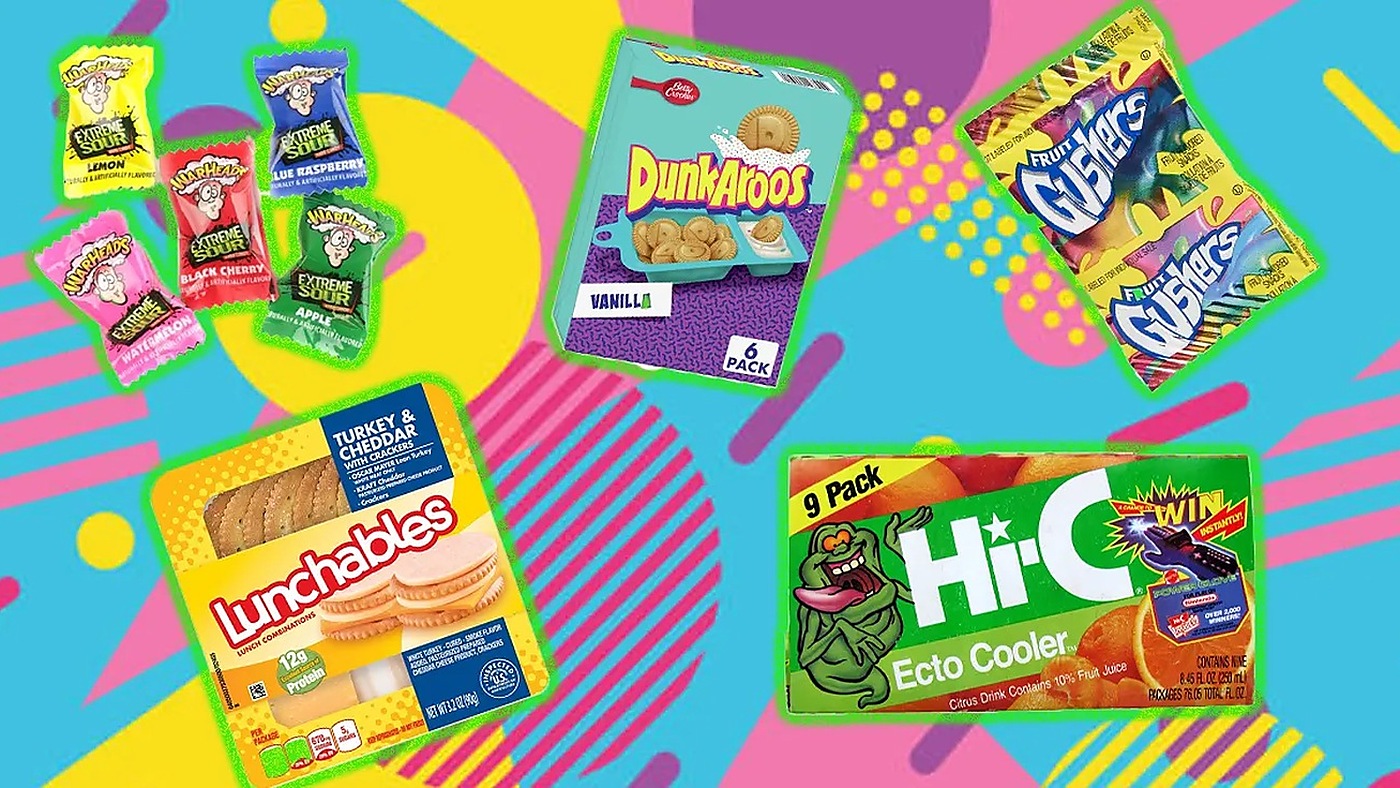
Walk through any brand's 2026 campaign calendar and the pattern repeats.
A reissued sneaker silhouette. A Y2K color palette. A jingle from twenty years ago rescored for a thirty-second spot. None of this is new in isolation. What is new is that nostalgia has stopped being a tactic brands reach for occasionally and become the load-bearing strategy behind entire product lines. Most of the coverage treats that as a creative trend. It is a pricing decision.
Nostalgia is not a creative choice, it is the cost of trust
The logic underneath it is simple and slightly uncomfortable. Trust is expensive to build from scratch right now, and a familiar feeling is cheaper to sell than a new promise. A shopper who grew up with a brand already has the emotional infrastructure in place. The brand does not have to earn the attention. It only has to remind you it is still there.
That is a much easier sell in a market where consumer trust in new claims sits at a multi-year low and customer acquisition costs have climbed across nearly every channel a brand can buy. Nostalgia is not competing against other creative ideas. It is competing against paid acquisition, and against a first-time buyer who has to be convinced from zero. On that comparison it wins easily, which is exactly why it is everywhere.
So the correct way to read a nostalgia campaign is not as a look. It is as a brand deciding that the cheapest available customer is one it already had.
Decoration versus targeting
There is a real difference between nostalgia as decoration and nostalgia as strategy, and most brands are still on the wrong side of it. Putting a retro logo on new packaging is decoration. It photographs well, it performs on launch day, and it does close to nothing for retention.
The brands actually winning with this are doing something narrower. Reissuing a genuinely discontinued product rather than a lookalike. Bringing back a specific cultural moment tied to a real memory rather than a general vibe. Letting the audience opt into the callback rather than pushing it at them. That is nostalgia used as a targeting strategy, and it behaves like one: smaller reach, dramatically better conversion, and a customer who arrives already sold.
The distinction shows up in the numbers within two quarters. Decoration produces a spike and a flat line. Targeting produces a smaller spike and a base that holds. Most brands are still measuring the spike.
There is also a version of this that is simply lazy, and it is worth naming because it is the most common one. A brand with no particular heritage reaches for a decade it has no claim to, because the aesthetic is available and the reference is legible. That does not build anything. It rents recognition for a quarter and gives the customer no reason to associate the feeling with you rather than with the decade.
Two generations, two different memories
This is also, quietly, a generational handoff, and it is why the strategy is harder to execute than it looks. The audience with the most nostalgia-driven purchasing power right now is not one generation. It is two, overlapping. Millennials revisiting their own childhoods with real disposable income, and Gen Z buying into an aesthetic era they never lived through but have absorbed completely through media.
Those are not the same customer and they do not respond to the same execution. One is being reminded. The other is being introduced. A brand chasing both is running two campaigns wearing the same art direction, one built on memory and one built on borrowed memory, and the second one has no emotional balance to draw down. It is a style purchase.
The risk nobody is pricing in yet is that nostalgia has a shelf life and the shelf life is shortening. A callback that felt fresh eighteen months ago now reads as a template. The reissue, the rescored jingle, the muted color grade are becoming their own cliché almost as fast as the strategy caught on. Brands that treated this as a one-time creative unlock rather than a renewable resource are already watching the returns flatten.
Executing both well requires admitting they are separate audiences with separate media habits and separate proof points, which most brands will not do because it doubles the production cost of a campaign that was supposed to be the cheap option.
The version of this that applies to you
You do not need a heritage brand to run this play, but you do need a balance to draw on. The question to answer before any of it is whether your customer has a memory of you worth reactivating, or whether you are borrowing someone else's. Reactivation is the cheapest growth available to most businesses. Borrowing is just a look, and looks get copied by the end of the quarter.
What is left standing when the trend cycle turns is whatever equity the brand actually earned the first time around. Nostalgia does not manufacture trust. It withdraws from an account that already has a balance, and the brands spending that account down fastest are the ones that will have nothing left to reference in five years.
The ones playing it well are not selling you the past. They are reminding you the relationship never actually ended.