Miami's Hotels Have Learned to Charge More
In the first week of October, Miami posted the biggest jump in hotel prices of any major market in the country, with the average room up 23.5 percent from a year ago. The city has learned to charge more for a stay, and every business that serves its visitors should be paying attention.
In the first week of October, Miami posted the biggest jump in hotel prices of any major market in the country, with the average room up 23.5 percent from a year ago. The city has learned to charge more for a stay, and every business that serves its visitors should be paying attention.
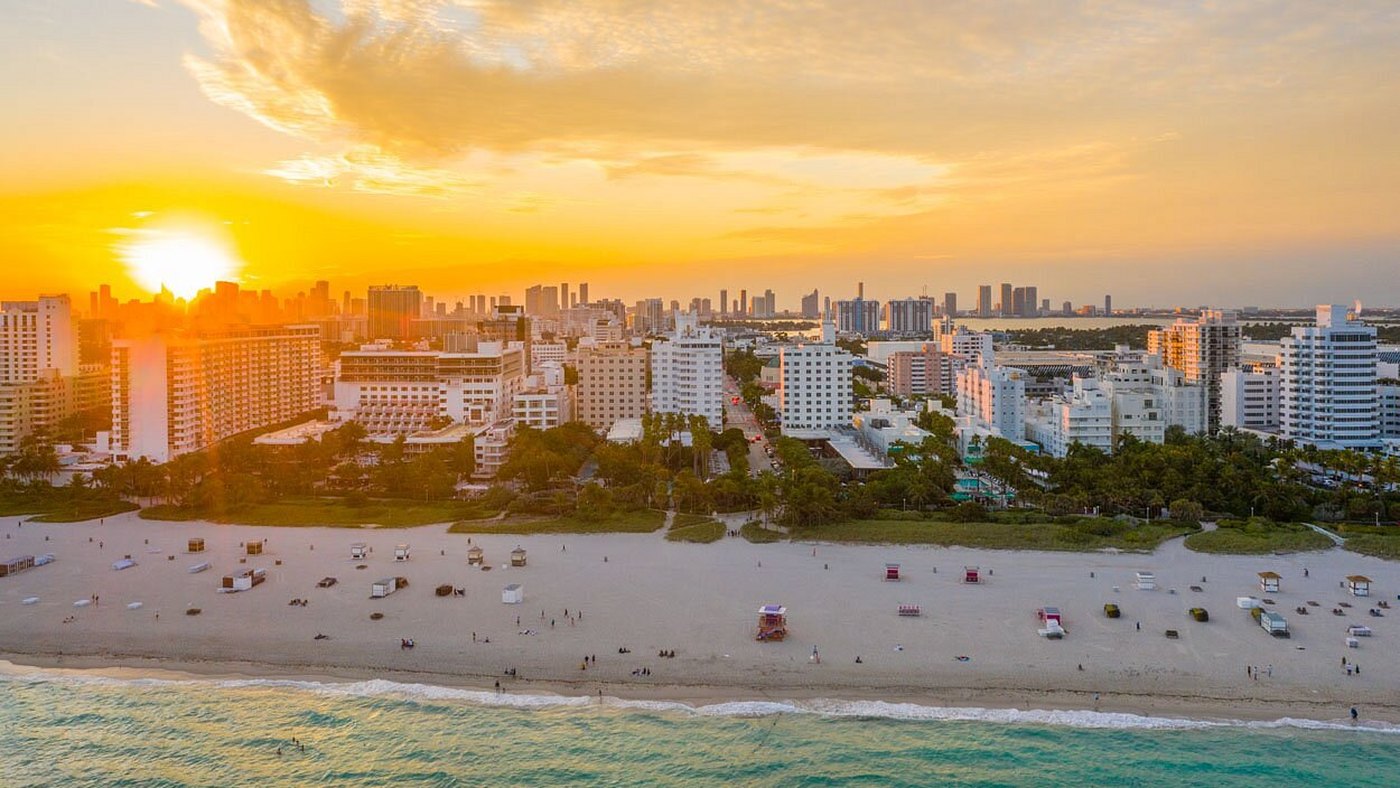
The World Cup summer was supposed to be the peak, and instead the prices kept climbing into the fall
CoStar's weekly figures for the week ending October 3 put the average nightly rate for a Miami hotel room at $186.73, up 23.5 percent from the same week last year. Revenue per available room, the number owners watch most closely because it combines price and occupancy, rose 43.3 percent to $123.25. Both were the largest increases among the 25 biggest hotel markets in the United States.
For a traveler, a room that cost about $150 a night last October now costs about $185. Across the country, rates rose 7 percent to $172.38 and revenue per room rose 12.9 percent. Las Vegas was the only major market to fall on every measure, because a large trade show that filled its rooms a year ago moved to Chicago. Miami did not need a convention to post its numbers. It only needed to be Miami in October.
What the Numbers Actually Say
A single week can flatter any market, and this one had some help. CoStar noted that the timing of Yom Kippur lifted results across the country. But Miami's pattern did not start in October. Room rates were already up 22.5 percent in July, when World Cup matches at Hard Rock Stadium filled the city, and revenue per room had grown every month from January to May, before a single match was played.
There is a detail in the summer figures worth noticing. In July, occupancy actually fell, from 69.1 percent to 66.4 percent, while rates climbed by more than a fifth. Fewer rooms were sold and hotels still made more money. That is the profile of a market that no longer needs to fill every bed to have a good month. By early October about 66 percent of rooms were filled, against roughly 57 percent a year earlier, at a much higher price.
Investors are reading the same signal. In the past two weeks Corendon, a Dutch hotel group, paid more than $50 million for two properties on Collins Avenue in its first American purchase. The Tides on Ocean Drive changed hands through a foreclosure, and its new owner plans to renovate and reopen it.
Why Miami Can Charge More
Pricing power comes from scarcity, and Miami's supply of rooms is growing more slowly than its reputation. Miami-Dade has about 66,000 hotel rooms. There are 93 hotels in the pipeline that would add more than 19,000, but only 18 of them, with about 3,300 rooms, are actually under construction. Several of the largest proposals have stalled, and this month a planned 451 room hotel at Miami International Airport was dropped after the FAA rejected its height.
Demand, meanwhile, is coming from more directions than it used to. Miami now has a full calendar instead of a winter season: the World Cup in summer, conventions in the fall, Art Week in December and a steady flow of business travel to offices in Brickell and Wynwood.
That mix matters. A visitor who comes for a meeting and stays for the weekend is worth more to the city than one who only arrives when it is cold up north.
The rooms that are coming also lean toward the top of the market. Of the hotels in the pipeline, 11 are classed as luxury and 21 as upper upscale, against 16 in the midscale and economy tiers combined. The largest project actually being built, an 800 room Grand Hyatt next to the Miami Beach Convention Center, is aimed at the same convention business that fills the city every fall. Miami is adding rooms at the price it already charges, not below it.
The result is a city where the room is no longer the bargain that convinces people to come. It is part of the premium they are paying to be here.
What It Means for Businesses in Miami
When the hotel bill goes up, the rest of the trip is judged against it. A guest paying close to $190 a night expects the dinner, the shop and the experience outside the hotel to feel worth the same money. Restaurants, retailers and venues that compete on being cheap will find that price is not why these visitors chose Miami. Those that compete on being memorable will find a willing audience.
Higher rates also change who is in town. They favor travelers with expense accounts and higher incomes, the same people that Art Basel, the luxury stores in the Design District and the new private clubs are built for. For any business that sells to that customer, the next three months, from Art Week through the holidays, are when they will be here in the greatest numbers.
There is a warning in the numbers too. Pricing power lasts only as long as the experience justifies it, and the visitors who pay more this year will notice if the city stops delivering. Las Vegas showed this month how quickly one missing event can turn a market's numbers around. Miami's advantage is that its demand no longer depends on a single date on the calendar. The work now is to keep giving people a reason to pay for the room.