Park Hotels Put $100 Million Into Miami Beach
Miami is reinvesting ahead of its season rather than during it. Park Hotels reopened Royal Palm South Beach this summer after a hundred million dollar renovation, and a wave of new rooms and restaurants followed it onto the calendar before a single winter booking had landed.
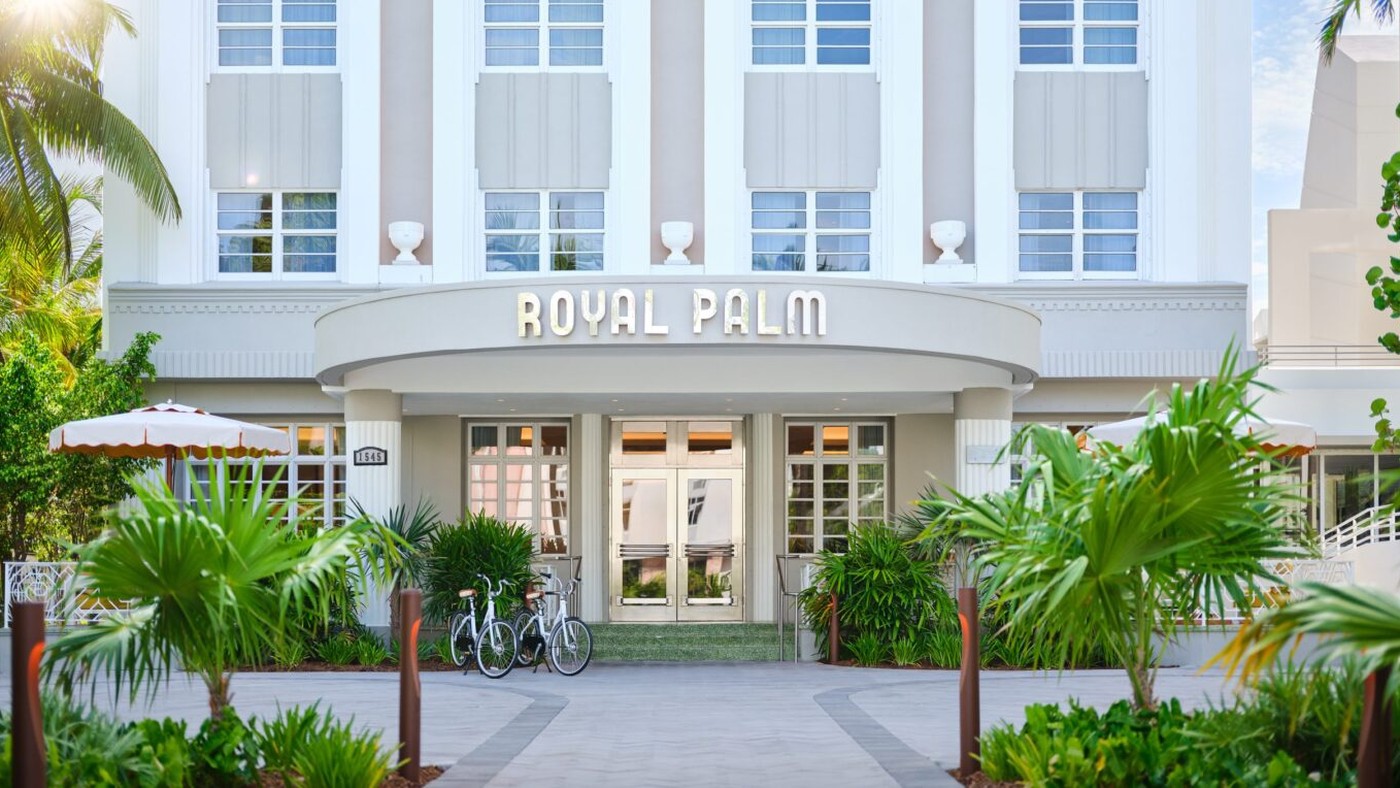
Miami spent its quietest months rebuilding the rooms it intends to sell in January
Royal Palm South Beach came back online in July after a hundred million dollar renovation, returning 404 rooms to the market with redesigned interiors, new dining concepts and eighteen thousand square feet of meeting space. It reopened in the softest weeks of the Miami year, which is the point. Nobody renovates a beachfront hotel in February. The work happens when the building is least valuable so that the building can be most valuable later.
The pattern is not new but the scale is. Miami used to renovate defensively, patching what broke between seasons. What is happening now is closer to a bet, where an owner takes a property offline in its slowest quarter, spends more than the building earned all year, and reopens into a market that has not yet started buying.
Supply is arriving before the demand does
Royal Palm is not alone. The Grand Hyatt Miami Beach hit a construction milestone in July on its way to eight hundred rooms attached to the convention center. JW Marriott Miami Turnberry rolled out a set of new programs built around evenings and music rather than rooms. Restaurants opened across Coconut Grove, Sunset Harbour, downtown and Lincoln Road through the summer, and Oleta River State Park picked up a waterfront seafood destination that did not exist last year.
Read together, that is a city adding inventory in its off months. The conventional interpretation is that supply growth pressures rate. The more useful interpretation is that Miami has learned to schedule its capital expenditure against its own calendar, and the calendar is the asset.
A renovation is a pricing decision
There is a version of this that goes wrong, and it is worth naming. Money spent on a lobby nobody photographs, on a restaurant concept that does not survive its first winter, on meeting space in a market already carrying more of it than it can fill. Repositioning only works when the new comparison set is one the property can actually compete in. A hundred million dollars buys a seat at a different table. It does not guarantee the meal.
A hundred million dollars is not a maintenance number. It is a repositioning number, and repositioning is how a hotel changes the rate it is allowed to ask. The room does not become more valuable because it is newer. It becomes more valuable because the property has moved into a different comparison set, and comparison sets are where price actually gets set.
This is the same mechanic that appears everywhere in Miami. The Two Months piece in this publication made the argument for rooms. Miami Spice made it for restaurants. In both cases the discount or the investment is not a concession, it is a repositioning tool aimed at a specific window. What Royal Palm did in July decides what it can charge in January, and the decision was made months before any guest was involved.
Businesses that get this wrong treat renovation as deferred maintenance and time it around cash flow. Businesses that get it right treat it as inventory design and time it around the demand curve.
What the calendar is really selling
Watch what the operators do rather than what they say. Announcements are marketing. Capital expenditure timing is strategy, and it is visible in the permits, the closures and the reopening dates. A city that renovates in July is a city that has decided what January is worth.
Miami's product is not weather. Plenty of places have weather. Miami's product is a date, and that date carries a price almost nothing else in American hospitality can hold. Season is a container, and everything a Miami operator does in the summer is preparation to fill that container at the highest possible rate.
That has three consequences for anyone running a business here, whether or not it is a hotel.
The first is that the off season is production time, not downtime. If your capital projects, hiring, menu changes, brand work and photography are not finished before November, you will spend the season selling last year's version of yourself at this year's prices.
The second is that supply changes the story before it changes the rate. A guest choosing Miami in January is not comparing your room to your room last year. They are comparing it to the newest thing on the beach. When a hundred million dollars lands across the street, your positioning moved whether you spent anything or not.
The third is that the calendar rewards commitment. Miami's season is short and inelastic. There is no version of the year where you recover a missed January in April. Operators who reinvest in the quiet months are buying a better position in a window that will not wait. Operators who wait for certainty arrive at that window with the same offer they had last year.
None of this is unique to hospitality. Any business with a real season, and most businesses have one, faces the same question. Do you spend when it is comfortable, or do you spend when it is useful. Miami put a hundred million dollars this summer into rooms nobody was sleeping in, because the season is coming and the season does not negotiate.