Art Basel Cut Its Miami Floor by 12 Percent
Art Basel has redrawn its Miami Beach fair for December with 272 exhibitors, about 12 percent less floor space and its most famous galleries spread across the room instead of grouped in one corner. The busiest art week in the world is betting that a smaller, better edited fair is worth more.
Art Basel has redrawn its Miami Beach fair for December with 272 exhibitors, about 12 percent less floor space and its most famous galleries spread across the room instead of grouped in one corner. The busiest art week in the world is betting that a smaller, better edited fair is worth more.
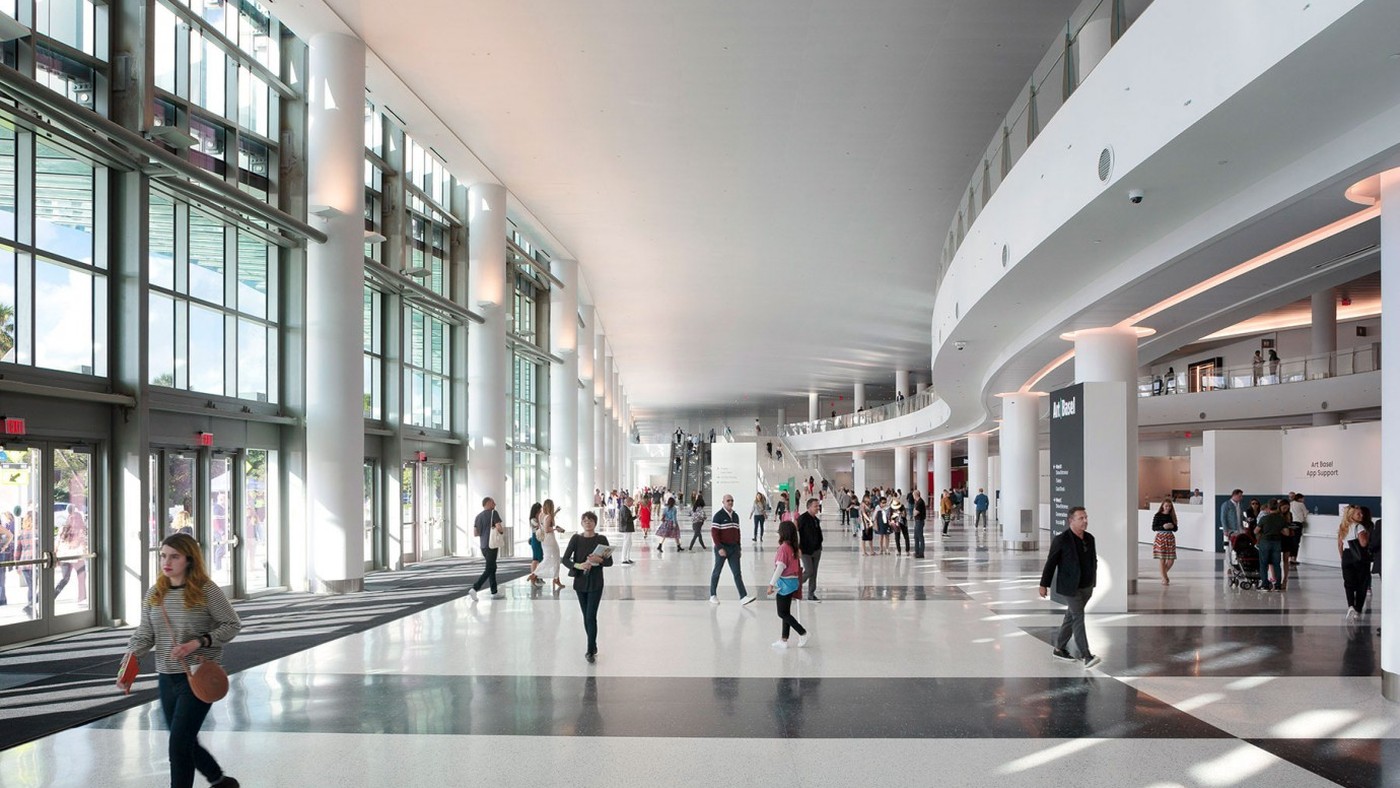
The fair that defines Miami every December has decided that smaller is the more confident choice
Art Basel Miami Beach returns to the Miami Beach Convention Center from December 4 to 6, with VIP preview days on December 2 and 3. The exhibitor list is out, and the headline is not a record number of galleries. It is the opposite. The fair will occupy about 12 percent less floor space than before, and its main Galleries sector will have about 10 percent fewer exhibitors.
Bridget Finn, the fair's director, has said the smaller footprint is deliberate. In a city where almost every event measures success by getting bigger, the most important cultural week on the calendar is choosing to get tighter, and that choice says a great deal about where the value in culture now sits.
What Is Changing on the Floor
There will be 272 exhibitors from more than 40 countries and territories. The fair keeps its single floor but with a reconfigured layout. There will be four hospitality plazas instead of five, which opens up longer sightlines across the hall, and the blue chip galleries that used to be clustered together are now spread throughout the floor. A visitor looking for the famous names will walk past the emerging ones on the way.
The map of who is showing has changed too. Five countries are represented for the first time: the Bahamas, Estonia, Georgia, Ghana and Hungary. Brazil is the third largest national group at the fair. More than 30 galleries are taking part for the first time, most of them in the sections for younger and historical work, and El Apartamento, from Havana, becomes the first gallery based in Cuba to exhibit. The digital art section, Zero 10, returns with a presentation called Generation.
The partner list reads like a directory of the brands that want to be near this audience: UBS as global lead partner, Qatar Airways, BMW, Audemars Piguet, NetJets, Airbnb, Sotheby's International Realty, Ruinart, Samsung and Zegna among them, with the Art Basel Awards presented with BOSS. None of them are paying to be in a bigger room. They are paying to be in the right one.
Why Less Has Become the Luxury
For years the logic of art fairs, like the logic of most events, was volume. More booths meant more tickets, more sales and more reasons to come. The problem with volume is that it exhausts the people it is meant to attract. Collectors, curators and the merely curious arrive in Miami Beach after a year of fairs, biennials and openings. A hall that takes three days to see properly is not generous. It is tiring.
A tighter fair changes the experience in small but important ways. Fewer booths mean more time in front of each work. Spreading the leading galleries around the floor means attention is shared rather than concentrated in one corridor while the rest of the hall goes quiet. Fewer plazas and longer sightlines make the room easier to read. Every decision points in the same direction, which is toward the quality of the visit rather than its length.
It is also a statement about confidence. Shrinking is easy to describe as retreat, and some will read it that way. But an institution that could fill more space and chooses not to is saying that its name, not its size, is what brings people across the causeway. That is a position only the strongest brands in any field can take. Luxury houses learned this long ago, opening fewer stores, releasing fewer pieces and letting the waiting list do the marketing. Art Basel is applying the same discipline to a convention hall.
What It Means for Miami and for Brands
Art Week is one of the busiest stretches of the year for Miami's hotels, restaurants, galleries and the hundreds of satellite fairs, dinners and parties that surround the main event. A more focused fair does not necessarily mean fewer visitors to the city. It may mean visitors who spend more time, and more money, outside the convention center, in Wynwood, the Design District and Little Haiti, where much of the week actually happens.
For brands there is a clear lesson in the partner list. The companies that matter most at Art Basel are not competing for the largest footprint. They are competing to host the best conversation, the most thoughtful dinner or the most memorable room. Being present with taste is worth more than being present everywhere.
The same principle applies well beyond art. A restaurant with a shorter menu, a shop with fewer products, a calendar with fewer and better events and a brand with one clear message all ask the customer to do less work and give them more in return. Editing is a form of respect for the audience's time, and audiences notice it.
In December the city will fill up again, the parties will run late and the traffic on the causeways will be as bad as ever. But inside the hall the most important cultural institution in Miami will have made a quiet argument: the best way to stand out in a crowded week is to make your own room a little less crowded.