PortMiami Is the First Port Past Ten Million
No cruise port anywhere had ever moved ten million passengers in a year. PortMiami did it on 14 September with two weeks still on the clock, against eight and a half million last year, and it did not get bigger to do it. It got faster, which is a different business entirely.
No cruise port anywhere had ever moved ten million passengers in a year. PortMiami did it on 14 September with two weeks still on the clock, against eight and a half million last year, and it did not get bigger to do it. It got faster, which is a different business entirely.
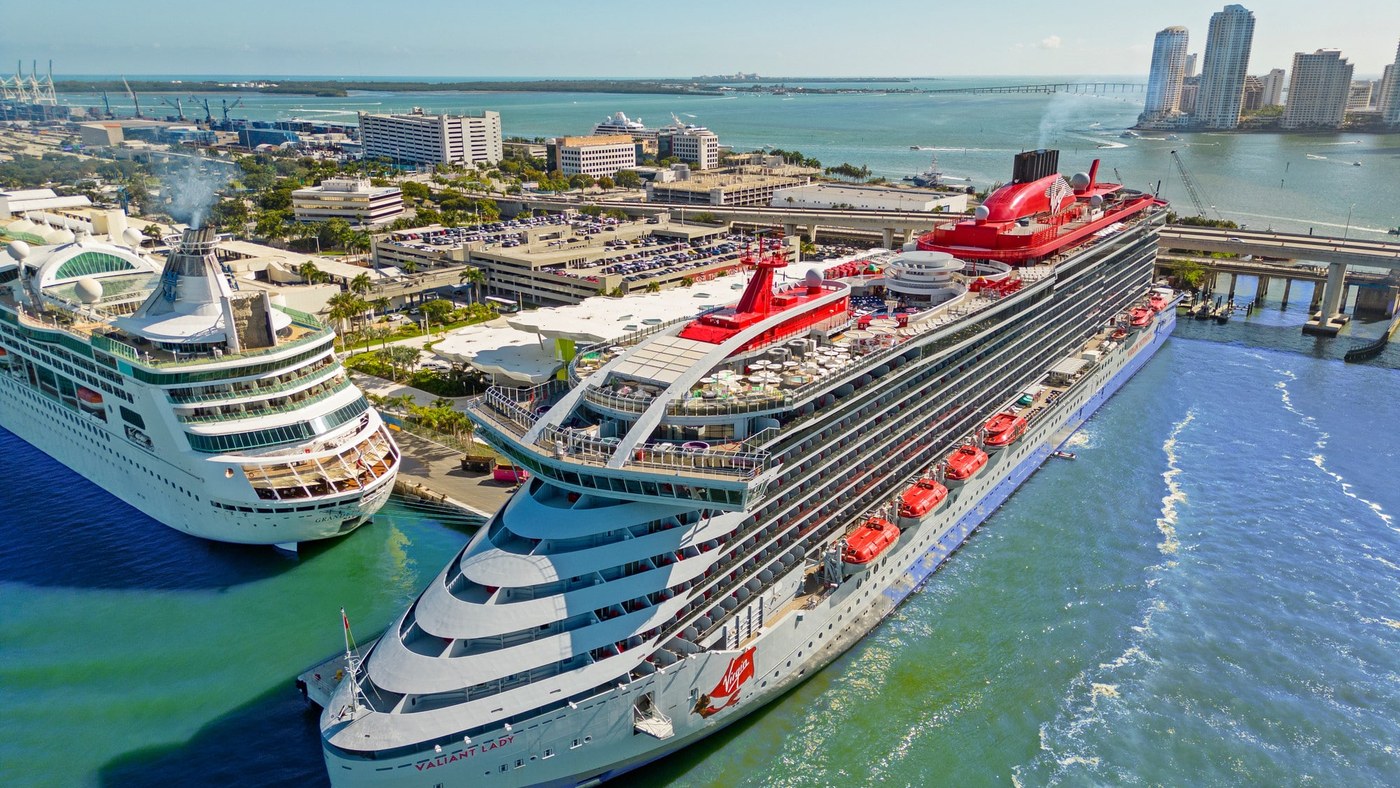
A port just did something no port had done and it did not build a thing to get there
PortMiami crossed ten million annual passenger movements on 14 September, the first cruise port in the world to do it. Last fiscal year it handled 8,564,225. The year does not close until 30 September, so the record was set with two weeks to spare.
That is roughly seventeen percent more people through the same terminals, the same channel, the same customs hall and the same set of roads. Nobody poured a new harbour in twelve months. The berths did not multiply. The growth came out of scheduling, turnaround and the boring operational work nobody writes press releases about until the number gets large enough to be a headline.
Capacity Is a Schedule Problem Before It Is a Building Problem
Every business hits this fork and most of them pick wrong. Demand rises, the room feels full, and the instinct is to buy more room. More square feet, more seats, more headcount, more servers. It is visible, it is fundable and it is the most expensive answer available.
The other answer is to move the same asset more times. A ship that turns around in nine hours instead of eleven is a new ship you did not buy. A kitchen that seats twice on a Friday is a second restaurant that costs nothing in rent. A studio that ships two projects a month with the same five people has doubled without hiring, and kept the margin instead of spending it on a lease.
Ten million through a port that did not grow is the largest public demonstration of that principle you will see this year, and it happened at the end of your street.
The reason the second answer loses most arguments is that it is invisible. Nobody photographs a turnaround time. There is no ribbon to cut on a process change, no press release in a shift pattern, no board slide that looks impressive with the word scheduling on it. Buying the building is legible. Fixing the sequence is not, and legibility is what usually decides where the money goes.
The Limit Moves to the Worst Hour, Not the Average One
Here is the part that gets skipped. Throughput is never capped by capacity, it is capped by the single worst bottleneck on the single worst day, and almost nobody knows which one theirs is.
For a cruise terminal it is the ninety minutes when four thousand people try to clear one hall at once. For a restaurant it is not the dining room, it is the pass. For an agency it is not designers, it is the one person who approves things. For a shop it is not stock, it is the checkout queue at five past six on a Saturday. Add capacity anywhere except the bottleneck and you have spent money to make the queue longer somewhere new.
The test is cheap. Pick the busiest hour of your busiest day and walk it end to end, watching where people wait rather than where people work. The bottleneck is wherever the queue is, and it is almost never the part of the business you have been investing in.
A port cannot hide from this, because the constraint shows up as a ship sitting in a channel burning fuel while a berth is occupied. Most businesses can hide from it for years, because the cost appears as a customer who quietly does not come back, and nobody puts that on a dashboard.
Growth That Costs Nothing Is Still Growth That Costs Something
None of this is free. Running an asset closer to its limit removes the slack, and slack is what absorbs the bad day. A port at ten million has less room for a storm, a mechanical delay or a software outage than the same port at eight and a half, and the difference does not show until one of those three happens.
Ports carry this cost knowingly. They publish schedules a year out, hold berths in reserve and accept a lower peak than they could technically run, because one stranded ship costs more than a slightly emptier week. It is an expensive habit that only looks expensive until the day it pays.
So the discipline has two halves and everyone only ever does the first. Find the bottleneck and widen it, yes. Then decide, deliberately, how much slack you are willing to give up, and what your plan is for the day the buffer you deleted turns out to have been the plan.
The version of this that matters for your business is smaller and more urgent. Before you sign the lease, add the headcount or buy the bigger thing, go and find the ninety minutes that actually constrain your week. Fix those ninety minutes. Then look at the number again.
There is one more reason this record matters locally. A port is the rare Miami asset that cannot be moved, cannot be rebranded and cannot be replaced by something taller, so the only way it grows is by working better. Every other industry here has an escape hatch. It can move up the road, raise prices, or sell the building. The port has to earn the number.
PortMiami just proved the ceiling was never where everyone thought it was. It was in the schedule, and the schedule was free to change. Whatever your own ten million is, the first place to look is not the balance sheet. It is the worst hour you have, and whether anybody in the building can tell you when it is.