Rare Art Still Sells For Millions At Christie's
Christie's expects more than $800 million from a single week of evening sales in New York this month, led by a Kandinsky estimated at up to $80 million. While everyday shoppers trade down, the very top of the art market is betting that rarity and a great story still command any price.
Christie's expects more than $800 million from a single week of evening sales in New York this month, led by a Kandinsky estimated at up to $80 million. While everyday shoppers trade down, the very top of the art market is betting that rarity and a great story still command any price.
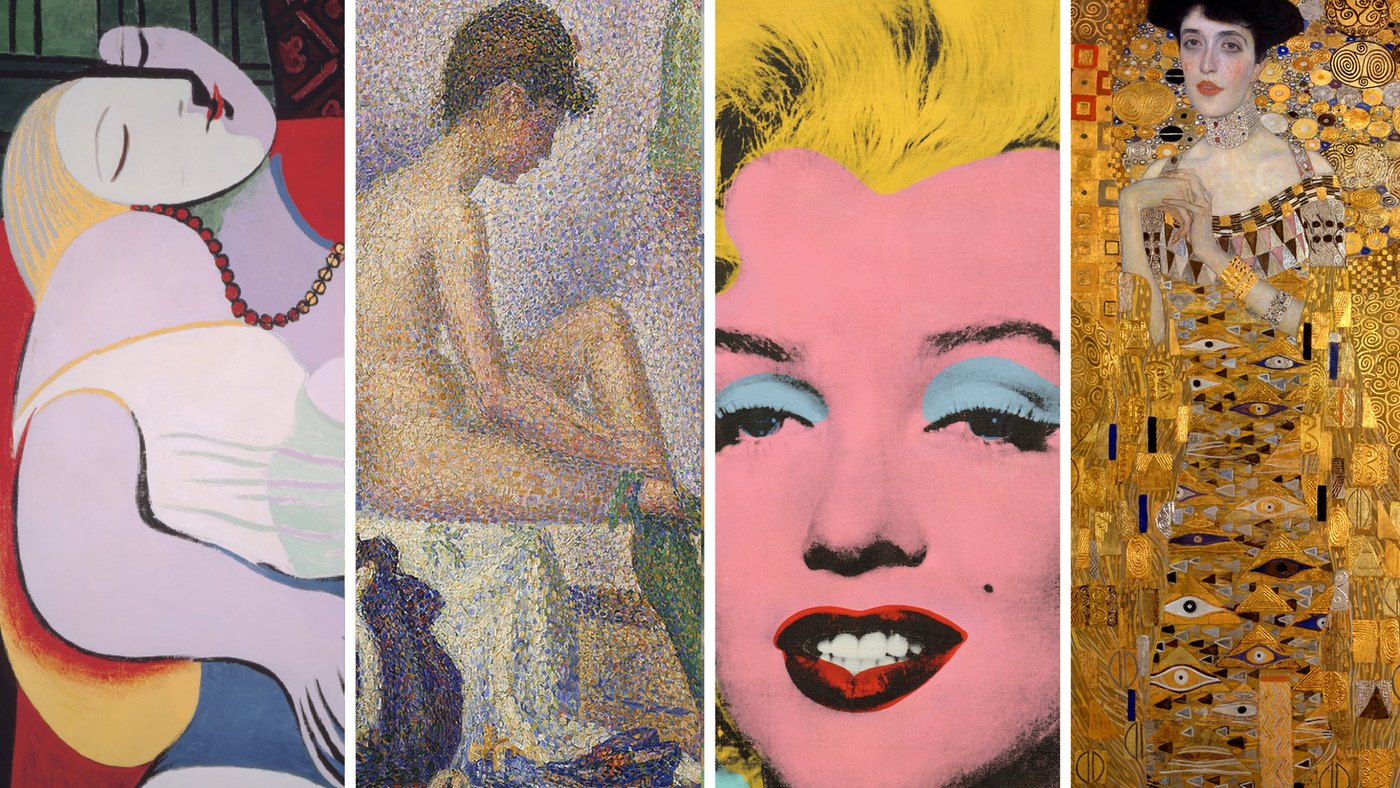
While most buyers are counting every dollar, the art world is preparing for one of its biggest weeks of the year
The fall auction season in New York runs from November 9 to 20, when Christie's, Sotheby's and Phillips hold the evening sales that set the tone for the global art market. Christie's alone expects more than $800 million from its marquee week, a figure that would be remarkable in any year and stands out even more in one where so many households are watching their spending closely.
The star of Christie's season is a painting by Wassily Kandinsky called Betonte Ecken, from 1922 and 1923, with an estimate of $60 million to $80 million. Its history includes the collection of Solomon R. Guggenheim, whose name is on one of the most famous museums in the world. Christie's is also offering an abstract painting by Gerhard Richter from 1990, estimated at $6 million to $8 million.
Phillips will hold its own modern and contemporary evening sale on November 18, at its galleries on Park Avenue. Taken together, the two weeks will offer hundreds of works and several billion dollars in estimates, and the results will be read closely by collectors, dealers and museums around the world as a signal of where the market is heading next year.
Across town, Sotheby's will offer an Edward Hopper and a Roy Lichtenstein, each estimated at $20 million to $30 million, along with works by Yayoi Kusama and Francis Bacon. Its most talked about lot, a Van Gogh from a private collection, carries no published estimate at all, though press reports have valued it at around $180 million.
Why The Top Keeps Holding
The art market has been uneven for several years. Buyers have become selective, passing on works that feel ordinary and competing hard for those that feel irreplaceable. That pattern explains why the auction houses lead with a small number of exceptional pieces rather than a long list of good ones.
What separates a $70 million painting from a $7 million one is rarely size or even beauty. It is scarcity and story. A Kandinsky from a key period of his career, with a line of ownership that runs through one of the great collectors of the last century, is something that may not come to market again for decades. Buyers are not just paying for an object. They are paying for a history they can never find anywhere else.
Timing plays a role as well. Collectors who have waited through several quiet seasons may decide that this is the moment to buy something special, while sellers have held back their best works until they were confident the demand was there. When both sides finally meet, a single evening can move more money than many galleries see in a year.
Auction houses understand this better than almost anyone. Months before a sale, they publish essays, host private viewings and tour the best works through other cities. By the night of the auction, the most important lots arrive with a reputation already built, and the bidding often reflects the story as much as the canvas.
A Market That Mirrors Everyone Else
It is tempting to see the art market as a world apart, but this season it mirrors what is happening in ordinary stores. Holiday shoppers are trading down on everyday items and saving their money for the few things that truly matter to them. Collectors are doing the same at a different scale, skipping the middle and reaching for the very best.
In both cases, the middle is where businesses struggle most. Products that are neither the cheapest choice nor clearly the best one get squeezed. The winners are the brands that are unmistakably worth it, whether that means a fair price on something reliable or a premium price on something no one else can offer.
What It Means For Brands
The first lesson is that provenance sells. Where a product comes from, who made it and what it has been through all add value that a competitor cannot copy. A family recipe, a founder's story, a material sourced from one place: these are a small brand's version of a painting that once hung in the Guggenheim collection. Tell them clearly, often and everywhere.
The second is to build the story before the sale. Christie's spends months preparing buyers to care about a single painting. Brands can do the same with a launch, sharing how a product was made and why it matters long before it is available, so customers arrive ready to buy rather than ready to compare.
The third is to be the best at something rather than average at everything. In a careful economy, people pay for what they believe is exceptional and cut back on what feels interchangeable. A business that is clearly the finest choice in one narrow area will often outperform one that is merely acceptable in many different areas.
The gavel will fall on the Kandinsky in the busy days ahead, and the price will make headlines either way, high or low. The more lasting lesson is already visible in the catalog: in any market, rare things with a great story still command the room.
Privacy Preference Center
When you visit a website, it may store or retrieve information in your browser, usually in the form of cookies. This site keeps that to a minimum: we use only the technologies needed for it to work properly, and we do not use advertising, analytics or tracking cookies. You can learn more in our Cookie Notice.
Thank you. You are on the list.