Yum Turned Your Text Messages Into A Drive Thru
Yum! Brands, the company behind KFC and Taco Bell, now takes 64 percent of its sales through digital channels. The shift began years ago with a small purchase: Tictuk, a startup that lets people order a meal by text, email or social media message. Today, every order begins wherever customers already are.
Yum! Brands, the company behind KFC and Taco Bell, now takes 64 percent of its sales through digital channels. The shift began years ago with a small purchase: Tictuk, a startup that lets people order a meal by text, email or social media message. Today, every order begins wherever customers already are.
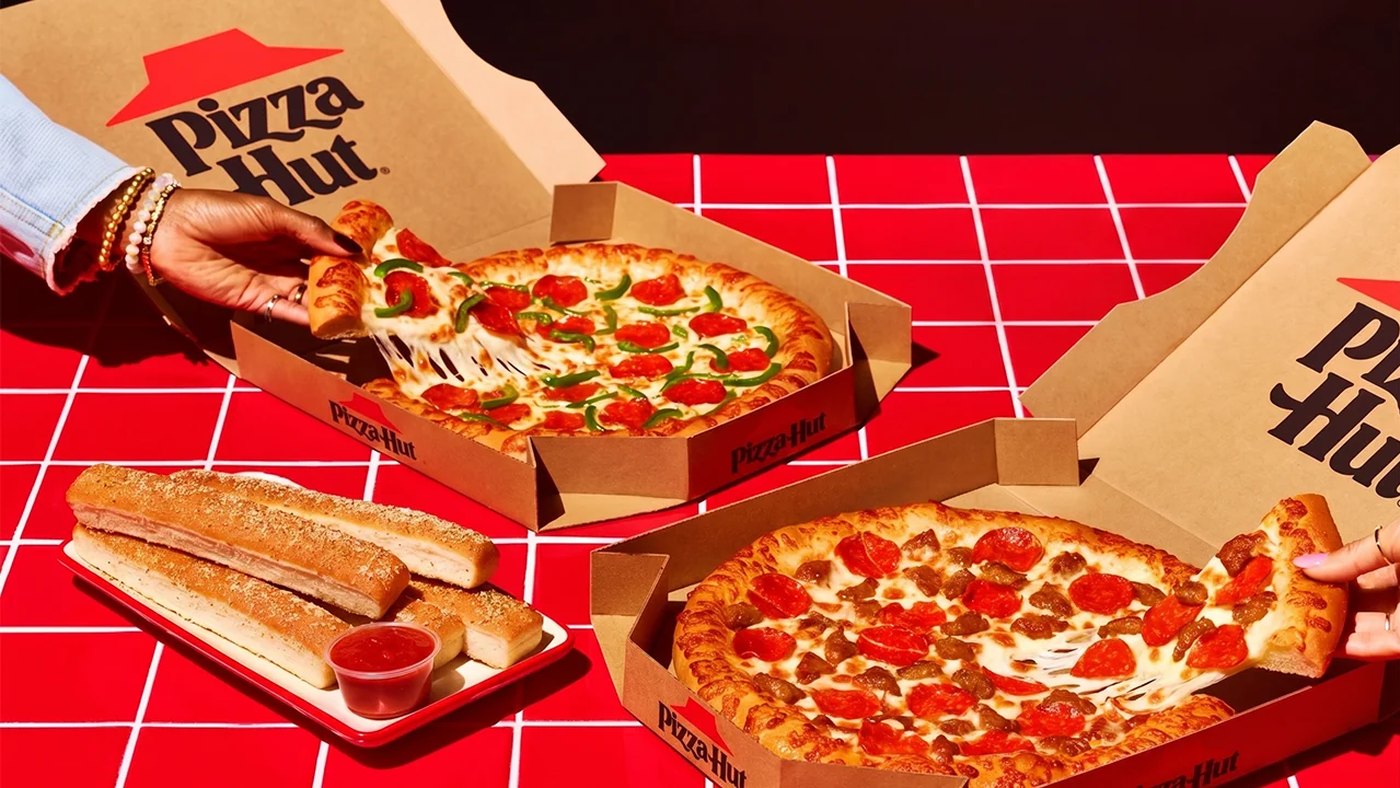
The company behind KFC and Taco Bell has learned that the best place to take an order is wherever the customer is already chatting
Yum! Brands reported its third quarter results on November 3, and the most telling number was not about chicken or tacos. Digital sales passed $9 billion in the quarter, and 64 percent of all sales across its restaurants now arrive through digital channels: apps, websites, delivery platforms, kiosks and messages. Nearly two of every three orders now begin on a screen.
Overall, sales grew 3 percent excluding currency moves. KFC grew 6 percent and opened 878 new restaurants in 66 countries in just three months. Taco Bell slipped at home, where sales at existing locations fell 4 percent, but grew 14 percent internationally. The company now runs more than 44,000 restaurants worldwide.
Behind those numbers is a strategy Yum has been building for years. The company decided long ago that it could not rely on customers walking up to a counter or downloading yet another app. It needed to meet them in the places they already spend their time, and the clearest example of that thinking is a small acquisition most people never heard of.
The Deal That Started It
In March 2021, Yum bought Tictuk Technologies, a company founded in Tel Aviv in 2016. Tictuk built a simple idea into a working platform: let customers order food through the messaging tools they already use. With it, a customer can place an order through WhatsApp, Facebook Messenger, Telegram, a text message, an email or a QR code, and the order flows straight into the restaurant's system.
Before the deal, Yum was already using Tictuk in roughly 900 KFC, Taco Bell and Pizza Hut restaurants across 35 international markets. Buying the company let Yum take that tool everywhere. The price was never disclosed, and Yum told investors the deal would have little effect on its results at the time. The platform also connected directly to restaurant checkout systems and handled delivery, curbside pickup and in store orders from the same conversation.
The executive who explained the purchase was Chris Turner, then Yum's chief financial officer. He said the company was excited by the chance for frictionless ordering for customers in just a few clicks. Today Turner runs Yum as chief executive, and the digital share of sales he helped build is now the core of the company.
Why Messages Beat Menus
Ordering by message solves a stubborn problem that nearly every restaurant has. Apps are expensive to build and hard to get people to download. Websites require a customer to stop what they are doing and go somewhere new. A text thread or a chat, by contrast, is already open on almost every phone in the world.
When ordering happens inside a conversation, a regular customer can repeat last week's meal in seconds, ask a question and pay without ever leaving the app they were using. In many countries, messaging apps are where daily life already happens, from booking appointments to paying bills. A restaurant that waits to be found loses to one that is already in the chat.
It also gives the business something a counter never could: a record of what each customer orders, when and how often. That information shapes menus, prices and promotions, and lets a chain speak to a loyal regular differently than to someone ordering for the first time.
Yum kept investing in the same direction. The same month it bought Tictuk, it also bought the artificial intelligence unit of Kvantum, a firm that measures how well marketing works across paid, owned and earned media. Each purchase rests on the same belief that the restaurant of the future is as much a technology company as a kitchen, and that the way an order begins matters as much as the food at the end of it.
What It Means For Brands
The first lesson is to go where the conversation already is. Most businesses ask customers to come to them, through a website, an app or a store. The most effective ones show up inside the tools people already use every day, whether that is a messaging app, a social feed or a simple text.
The second is that small purchases can shape big futures. Tictuk was a modest deal with no announced price, yet the idea behind it now drives the majority of Yum's sales. Smaller companies can make the same kind of move by adopting one simple tool that removes a step between a customer and a purchase.
The third is to make reordering effortless. The customers worth the most are the ones who come back, and every extra tap, form or password gives them a reason not to. A business that lets a regular order the usual in one message will keep that regular coming back for years, through good seasons and slow ones alike.
Yum's results show a company that is growing in new places while changing how it takes every order. The headline numbers will move from quarter to quarter. The lasting change is that the drive thru now lives in a text thread, and every brand should be asking where its own customers are already chatting.
Privacy Preference Center
When you visit a website, it may store or retrieve information in your browser, usually in the form of cookies. This site keeps that to a minimum: we use only the technologies needed for it to work properly, and we do not use advertising, analytics or tracking cookies. You can learn more in our Cookie Notice.
Thank you. You are on the list.